



Calcalist, Dov Cohen, 01.11.20
As a result of the expected addition of housing units, the ability of three out of four local authorities to sign roof agreements (24 out of 32) to provide service to their residents is expected to be significantly impaired in the next five years. This is according to a recent report submitted to the Ministry of the Interior. The report examined the economic resilience of 59 local authorities across the country, 32 of which have signed umbrella agreements since the state began in the form of a deal with the authorities in 2013. In exchange for massive funding of state-funded infrastructure.
The report, prepared by Elad Lev, director of the Planning and Construction Division at the Ministry of the Interior's Development Department, is based on findings collected over the past four years, when the Planning Administration was under the Ministry of Finance. This is required in light of the return of the Planning Administration from the Ministry of Finance to the Ministry of the Interior with the formation of the current government. Along with the authorities that signed agreements with the state, the report also includes local authorities in the forecast for accelerated growth, or that are in negotiations ahead of signing umbrella agreements.
The secret is in property taxes
The report proposes two scenarios in which local authorities will avoid an economic collapse: the inflow of money from the state to cover the costs of additional housing units; or the occupation of extensive employment and commercial areas in the same authority Employment and trade are defined and limited, the only realistic solution is government funding for those authorities.
While the call for the state to increase economic support for the weaker authorities is growing, appraiser and economist Yaron Spector believes that the solution lies elsewhere: Seek to include in new housing plans a disproportionate scope of commercial and office space - all in order to enjoy a high property tax that will allow them to cope with the increase in population.
"For example, in the Ono Valley area, 3.5 million square meters of employment and office rights have been approved. To explain, this is a scope equal to the Azrieli complex in Tel Aviv - the triangular, square and round tower together - 23 times!
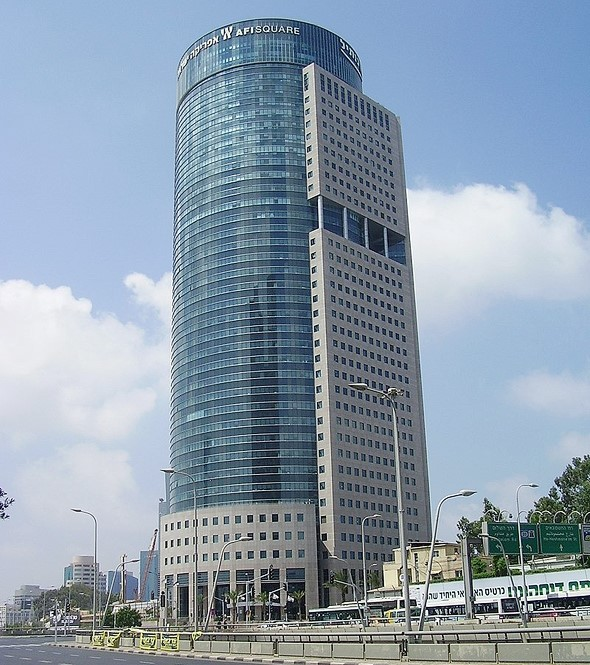 Kiryat Hamemshala Tower in Tel Aviv. The commercial area in the Ono Valley is fifty times its size Photo: Dr. Avishai Teicher, PikiWiki
"Therefore, I think that what needs to change is the property tax model - instead of collecting by area as is done today, you should collect property tax according to the number of users, ie according to the number of people living in the apartment. A population of lower socio-economic status, six or more persons living in such an apartment.
"That is, the amount of property tax needed by the local authority to provide residents with adequate services such as education and welfare and public institutions is much greater in the more crowded authority.
Spector adds that an examination of what is happening in the world reveals that the method of calculating property taxes by area is not a "sacred" thing: "Here, for example, in the United States, property taxes are calculated according to the value of the property. In Israel, this has helped municipalities because the value of real estate has risen significantly in recent years.
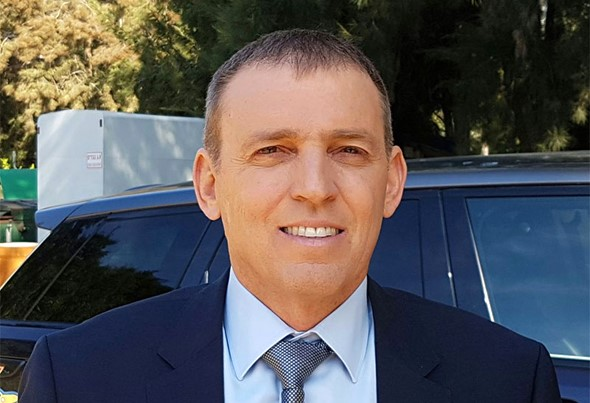 Yaron Spector Photo: Yishai Ronen
Slow down, traffic light
Just like the "traffic light plan" of Corona projector Prof. Roni Gamzo, the report submitted to the Ministry of the Interior includes a division of local authorities into red, green, orange, etc. - according to their estimated future economic resilience. It will inevitably lead to a decrease in the volume of expenditure on each housing unit - such as Ofakim, Elad, Beit Shemesh, Dimona, Haifa, Lod and Migdal Haemek.
"When talking about the state's need to get involved and support the weak local authorities, one must first examine how efficient they are and how they are run," says Spector. "The division of local authorities according to the degree of economic risk they face is correct, and provided that the state is not required to support authorities that operate inefficiently. However, long before the state is divided into different colors, the property tax model must be immediately changed. In the authorities. "